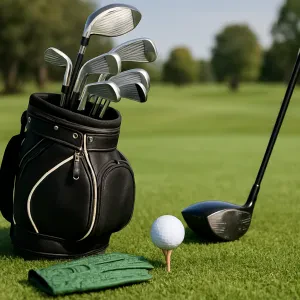
1. Woods: Woods are great for hitting the ball over a long distance, typically from the tee. The driver, which is the biggest wood, helps you get that powerful first shot. If you want to cover some serious ground right off the bat, look into getting a driver and maybe a couple of fairway woods.
2. Irons: Irons are your go-to clubs for most of the shots you’ll take on the course. They come numbered, with lower numbers for longer shots and higher numbers for shorter, more precise ones. A set that includes a mix from 5-iron to 9-iron, plus a pitching wedge, is a solid choice for beginners.
3. Putters: Once you're on the green, you'll need a putter. This club is designed for accuracy and finesse, helping you get that ball in the hole with the least number of strokes. Check out different styles and grips to see what feels most comfortable for you.
Remember, you don’t need every club right away. Start with a driver, a couple of irons, and a putter. As you get more into the game, you can expand your collection based on what you enjoy and what suits your playing style!
Understanding Club Components and Features
When diving into the world of golf, understanding club components is key to making the right choice. Golf clubs can seem complex at first, but breaking them down into their parts helps. Let’s go over the main components you’ll find in golf clubs.
1. Clubhead: This is the part of the club that hits the ball. Clubheads come in various shapes and sizes. Drivers, for example, have larger heads for distance, while irons have smaller heads for accuracy. Knowing what type of head suits your game will help you hit better shots.
2. Shaft: The shaft connects the clubhead to the grip. Shafts come in different flexes (like stiff or regular) and materials (steel or graphite). A shaft that’s too stiff can affect your swing, while one that’s too flexible might not give you the control you want. Finding the right fit is essential!
3. Grip: Just like it sounds, the grip is what you hold onto. Grips come in various sizes and textures. A grip that feels too large or small can impact your swing. It's important to choose a grip that feels comfortable and gives you good control.
As you explore clubs, think about how these components work together to enhance your game. It’s not just about the price tag; it’s about what feels good and helps you play your best. And remember, asking for help at a pro shop or trying clubs out before you buy can make all the difference!
Testing Clubs Before You Buy
Trying out golf clubs before making a purchase can save you a lot of time and money. It’s like test-driving a car – you wouldn’t buy one without taking it for a spin, right? Swinging a variety of clubs at your local shop can help you find what feels just right. Plus, it’s a fun way to get familiar with different brands and styles!
When you visit a store, don’t hesitate to pick up several clubs. Here are some things to keep in mind:
Don’t be afraid to ask for help in the store! The staff can often provide insights based on your height, skill level, and playing style. They might even let you try out the clubs on a simulator or at a driving range to really get a feel for them. It’s super helpful to see how they perform in a more realistic setting.
Lastly, keep in mind your budget and the kind of golf you plan to play. If you’re just starting out, you might not need top-of-the-line clubs just yet. Find clubs that you feel confident with and that fit your current skill level. Happy testing!
Staying Within Your Budget Wisely
When you're diving into the world of golf for the first time, your budget can feel like a tightrope walk. Buying golf clubs is an investment; you want something that's not just good for your game but also fits your wallet. Here are some friendly tips to help you spend your money wisely.
First off, set a clear budget before you start shopping. Having a specific range in mind can help you avoid those flashy clubs that catch your eye but may not be right for you. This way, you can focus on finding gear that fits your skill level and won't break the bank.
Next, consider buying pre-owned clubs. Many golfers upgrade their equipment regularly, which means there's a whole market for gently used clubs. These can be a fantastic way to save money without sacrificing quality. Just be sure to check out the condition and see if there’s a satisfaction guarantee.
Lastly, keep an eye out for sales and bundles. Many stores offer discounts or package deals that can save you a pretty penny. If you can get a driver, a putter, and a full set of irons all in one go, that’s usually a better deal than buying each separately!