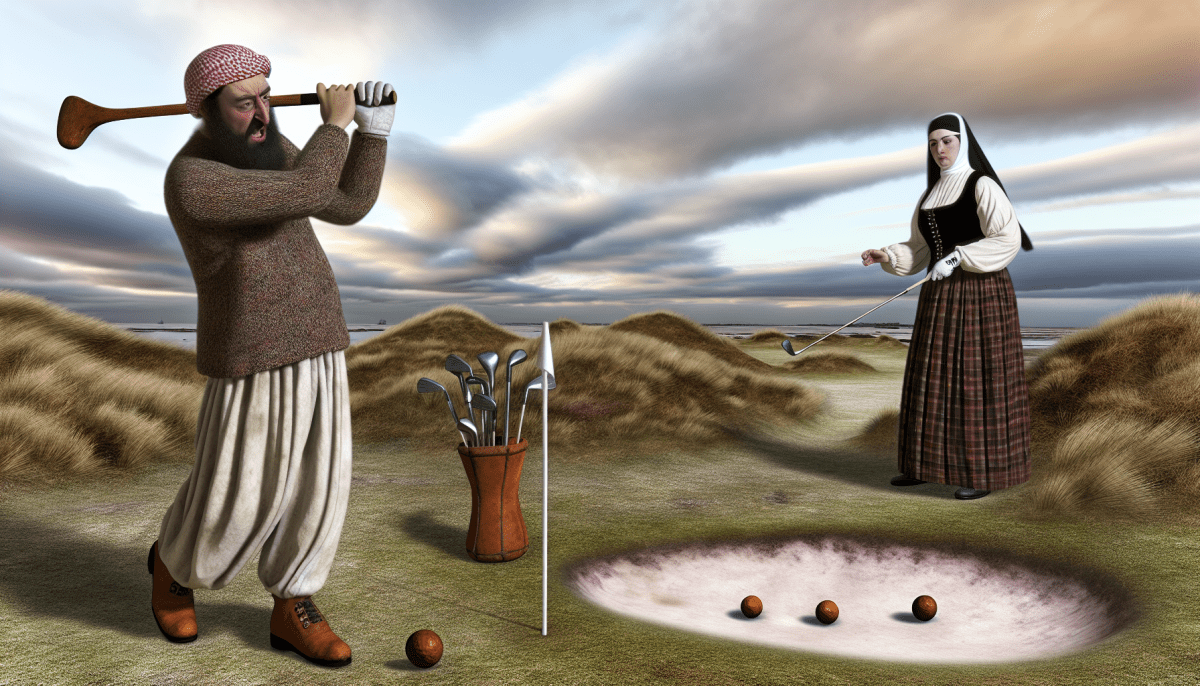
Golf is one of those sports with a rich and winding history. It’s believed to have originated in 15th-century Scotland. Picture this: the rolling green hills, the fresh air, and a group of folks playing a game with sticks and balls on open land. They were having a blast hitting a pebble along a track, with goals known as “holes.” Can you imagine how different it was back then?
Though it might seem a bit rough around the edges compared to today’s golf courses, this early version of the game laid the groundwork for what would come later. The Scottish nobles got in on the action, playing on rudimentary courses and turning it into a proper pastime. As the game gained popularity, various clubs and rules began to pop up—making golf less of a casual outdoor hangout and more into the organized sport we love today.
Fast forward to the 18th century, and golf was starting to catch the eyes of folks beyond Scotland. The first official golf club, the Honourable Company of Edinburgh Golfers, was established in 1744, and soon after, golf tournaments began to take shape. The first recorded tournament in history took place at the famous Bruntsfield Links in Edinburgh, which opened the door for competitive play.
Through the years, golf has continued to evolve, marching into the 19th century with the creation of the United States Golf Association in 1894. This leap helped spread the love for golf across the pond and made it a hit in the U.S. By the time the 20th century rolled around, professional tournaments and legendary players like Bobby Jones and Ben Hogan were solidifying golf as a major sport worldwide.
Key Milestones in Golf Development
Golf has a rich history, tracing back several centuries. One of the earliest milestones occurred in the 15th century, when the sport started to take shape in Scotland. The infamous St. Andrews Links, often called the "Home of Golf," became pivotal, providing a place for players to gather and hone their skills.
Fast forward to the 18th century, and we see the release of the first official rules of golf. The Honourable Company of Edinburgh Golfers published these rules in 1744, laying down the foundation for gameplay. This set the stage for golf to evolve into the beloved sport we know today.
The 19th century brought exciting changes as golf spread beyond Scotland's borders. Major championships began to pop up, with the first Open Championship held in 1860. This not only showcased top talent but also helped popularize the sport, drawing in fans and players alike.
As we reached the 20th century, golf saw significant advancements in equipment, including the introduction of metal clubs and improved golf balls. These innovations changed the way the game was played, making it more accessible to a wider audience and enhancing overall performance. Playing golf was now more enjoyable and attainable for many.
The late 20th and early 21st centuries marked the rise of professional golf tours, such as the PGA Tour and the European Tour, creating a vibrant ecosystem for competitive play. With the advent of technology, like video analysis and advanced training methods, players can now refine their skills like never before, marking a new era in golf's ongoing evolution.
Iconic Players Who Changed the Game
When we talk about golf history, a few legendary players instantly come to mind. These are the game-changers who didn’t just play the sport but transformed it forever. Their skill, charisma, and unique styles left an impression that still resonates today.
First up, we have Bobby Jones. Known for his incredible talent, he was not only a champion golfer but also a co-founder of the Augusta National Golf Club and the Masters Tournament. Jones was an amateur who won the Grand Slam in 1930, a feat that’s still talked about in golf circles. His dedication and sportsmanship brought a fresh perspective to the game.
Next is Jack Nicklaus, often referred to as “The Golden Bear.” With a record 18 major championships to his name, he redefined what it meant to be competitive in golf. Nicklaus brought strategy to the game, emphasizing course management alongside skill. His influence extends beyond just his wins; he has helped shape golf's future through his architectural designs and mentoring of young players.
Then there's Tiger Woods. His impact on golf is nothing short of monumental. Bursting onto the scene in the late '90s, Tiger inspired a new generation of golfers with his power and precision. He broke barriers and brought a level of athleticism to the sport that was previously unseen. His personal brand helped elevate golf's popularity, making it a household name.
These players didn’t just change how golf is played; they changed the culture surrounding it. Their legacies inspire new players and remind us all why we love this game. Whether you’re a seasoned pro or just starting out, there’s so much to learn from their journeys.
Golf Today and Future Trends
Golf today is more vibrant than ever, drawing in players from all walks of life. With an increased focus on accessibility, courses are updating their facilities and creating programs for beginners. This effort makes it easier for new players to pick up a club, hit the greens, and fully enjoy the game.
Technology has also changed the way we play and experience golf. From GPS devices to swing analysis apps, these tools are helping golfers improve their game and track their progress like never before. You can now get instant feedback on your swing, which empowers you to make adjustments right on the course.
Looking ahead, sustainability is becoming a big trend in golf. Many courses are taking steps to reduce their environmental impact by using eco-friendly maintenance practices and promoting wildlife conservation. This shift not only helps the planet but also makes golfing more appealing to a younger, eco-conscious crowd.
Inclusivity is another key focus for the future. Golf organizations are working to make the sport more welcoming by creating diverse teams and events that represent a wider range of players. They’re also emphasizing social activities and community-building aspects of the game, making it as much about connection as competition.